 Your Lethbridge Invisalign® Provider
- (403) 329-8180
- 553 40 St S 2 Lethbridge AB T1J 4M1 CA
- View Practice Hours

-
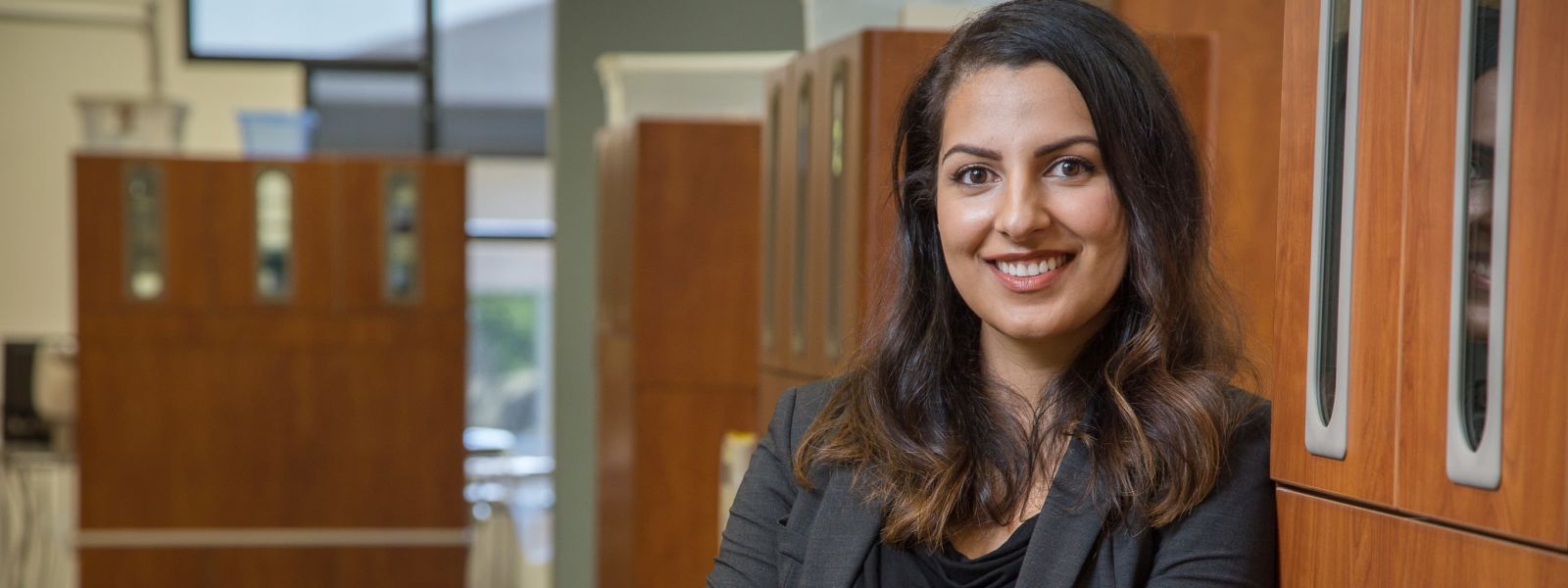
Serving the Lethbridge community with dental services
More available appointments to better serve you!
Prioritize your oral health today - schedule your appointment with our dental team.
Welcome to Legacy Dental
Our general dentists offer full-family care for patients in Lethbridge and surrounding areas.
Our dental professionals have been serving the community for decades. Our friendly staff will help you feel comfortable and relaxed in our practice. We understand everyone has unique needs, and as a family practice, we offer personalized dental services regardless of age!
Get Invisalign clear braces at Legacy Dental

Are Invisalign® Clear Braces Right For You?
Get answers to our most frequently asked questions about this orthodontic option.
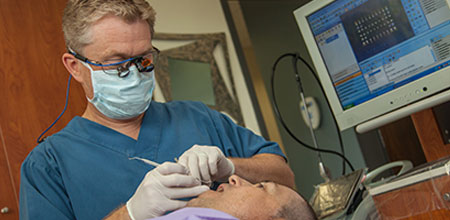
Family Dentistry
We offer general dentistry services, such as cleanings and fillings, to help meet the needs of your family. > More

Dental Implants
Looking for options for your smile? Our practice offers cosmetic services to replace missing teeth. > More
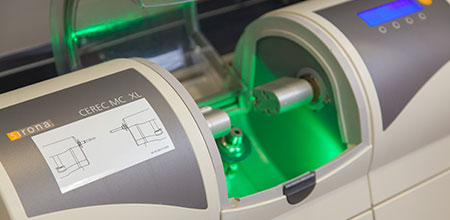
Our Dental Technologies
We providing our patients with comprehensive care backed by dental technology. > More
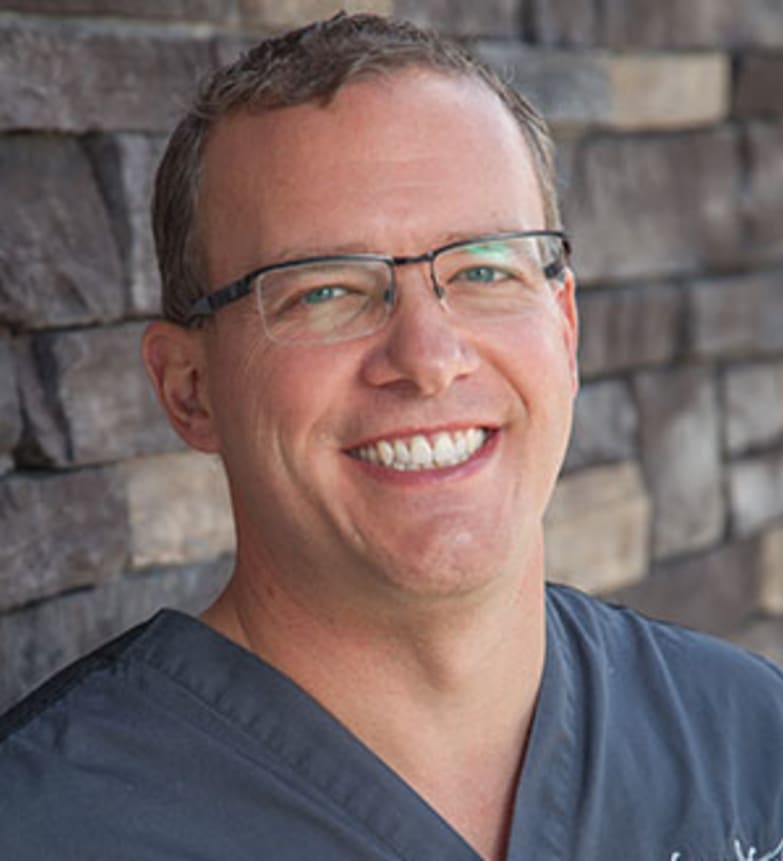



From the Legacy Dental Team
-
I thoroughly enjoy working with a team that is so friendly and positive, where our main goal is to provide the utmost care and support for our client's dental needs.
Featured Services
 |
OrthodonticsOur friendly team will work with you one-on-one to create a personalized treatment plan to suit your needs. |
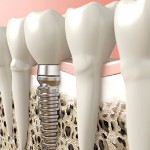 |
Dental ImplantsIf you are missing teeth, the Legacy Dental team can replace them with stable and natural-looking dental implants. > More |
 |
Preventative HygieneWe believe that a good home care routine followed by regular cleanings is a great way to maintain your oral hygiene. > More |